Author: Joe Sarnicola
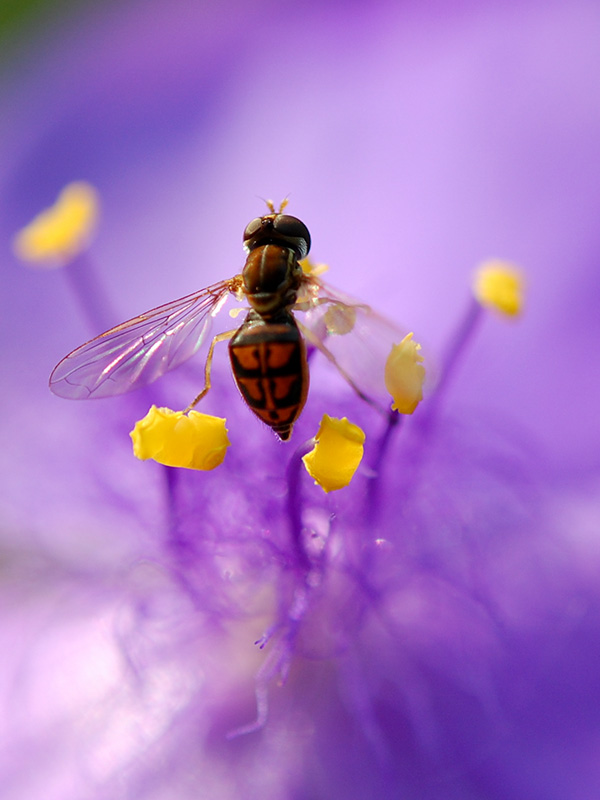
Photo by Janet Allen
Judging by the array of pesticides in a typical big box store it would be easy to believe that every insect should be killed on site and every flower and shrub treated to prevent any new ones from coming around. Unfortunately, that is how many casual gardeners feel. Yet, one of the most important functions of a native plant garden is to attract insects, at least the beneficial ones like bees, butterflies, and moths, so that they or their larvae become either pollinators or a part of the food web.
The foundation of any native garden is the plants. They support local wildlife and pollinators, and they contribute to soil health by developing root systems, resisting erosion, and adding organic matter to it. Their role in the ecosystem is to provide habitat, food, and nesting sites for insects, birds, and other wildlife that have co-evolved with them. Because they are adapted to local soil and climate, they need less water, minimal, if any, fertilizer, and no pesticides.
The selection of plants should be made after assessing the local landscape, soil conditions, amounts of sun or shade, and which insects would typically be found in the area. In other words, we should be planting flowers, shrubs, and trees that provide food, nesting sites, and shelter for the local wildlife we want to attract.
Backing up to the opening line about pesticides, some insects contribute natural, non-toxic pest control in two ways. Predators, such as lady beetles, lacewing larvae, and wasps, hunt or catch and eat other insects, helping to keep their population under control. Spiders, which are arachnids, are also predators. Parasitoids are insects that lay their eggs on or in another insect. The larvae feed off the host, eventually killing it. Certain wasps, flies, and beetles fall into this category.
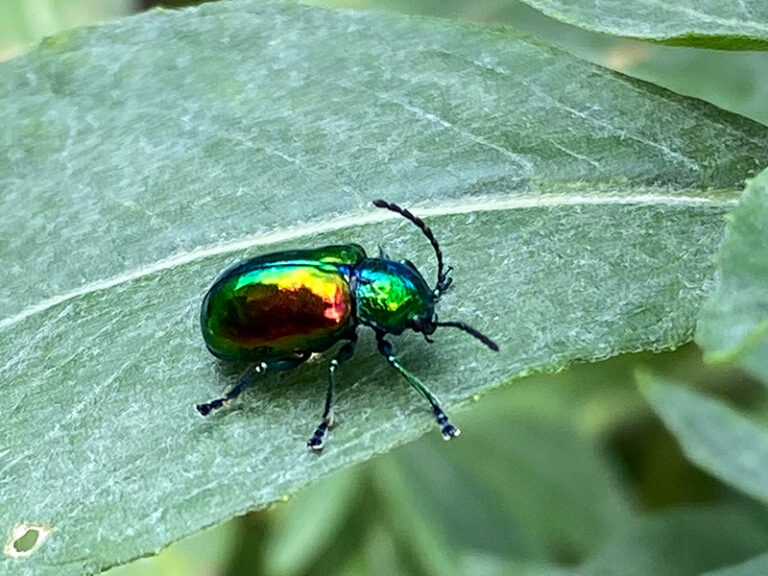
Photo by Janet Allen
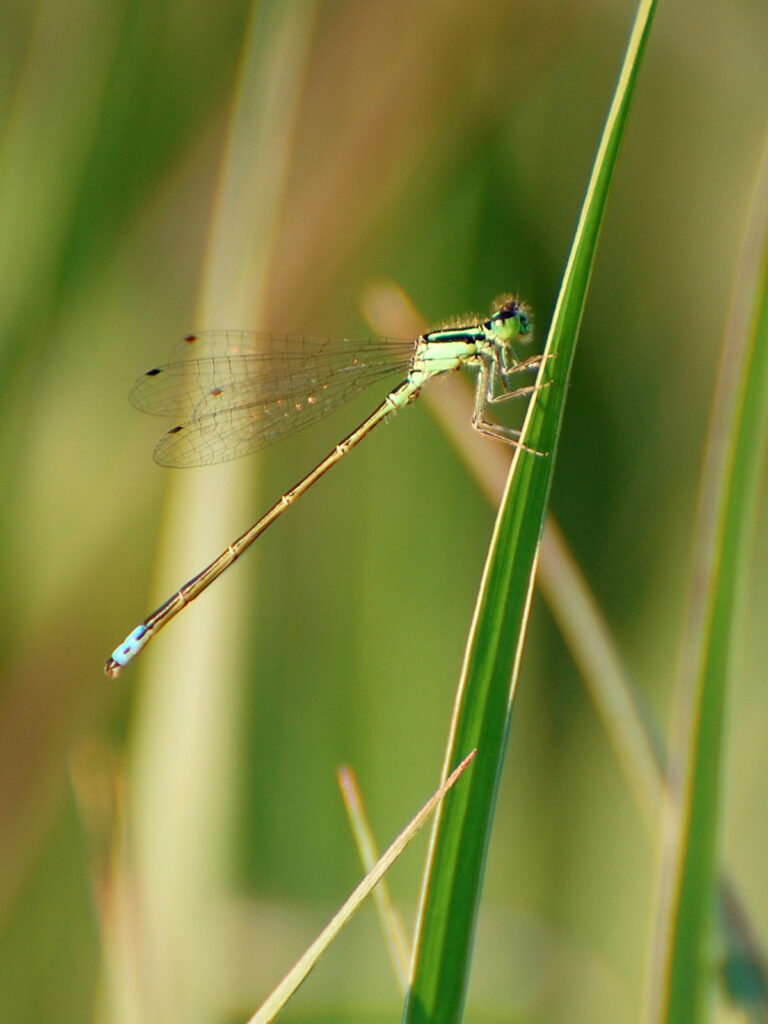
Photo by Janet Allen
The insect larvae also serve as food for birds, who need the soft bodies, which includes caterpillars, to feed their baby chicks. Most chicks are unable to eat the hard seeds and nuts we put in our feeders.
We can safely say, without native plants, there would be a very limited number of insects that feed on or nest in them, which can, and does, have a devastating effect on the bird population. For anyone planting their first native garden or who are planning to expand an existing garden, this is an important concept to keep in mind when deciding which plants to buy.
The insects which survive until adulthood become parents who lay eggs which become new larvae and they also serve as pollinators. As they visit the flowers for nectar, they transfer pollen from the male to the female parts of the flowers.
A plant that is the preferred host for monarch butterflies is the common milkweed (Asclepias syriaca). My neighbor planted some near the property line between our houses a couple years ago, and now I have some in my yard, too. I don’t know whether they spread by seed or rhizomes (underground running roots) or a combination of both, but they have formed into a welcoming circle in my yard. I even transplanted a couple of them to be near the pollinator garden I planted in the spring of 2025.
For more information to help you choose pollinator-attracting plants, visit pollinator.org, pollinator-pathway.org, or wildones.org (search for “pollinator garden”). If you choose to buy from a large retailer, be sure the plants have not been pre-treated with any pesticides before being put up for sale.
Yes, they really do this.
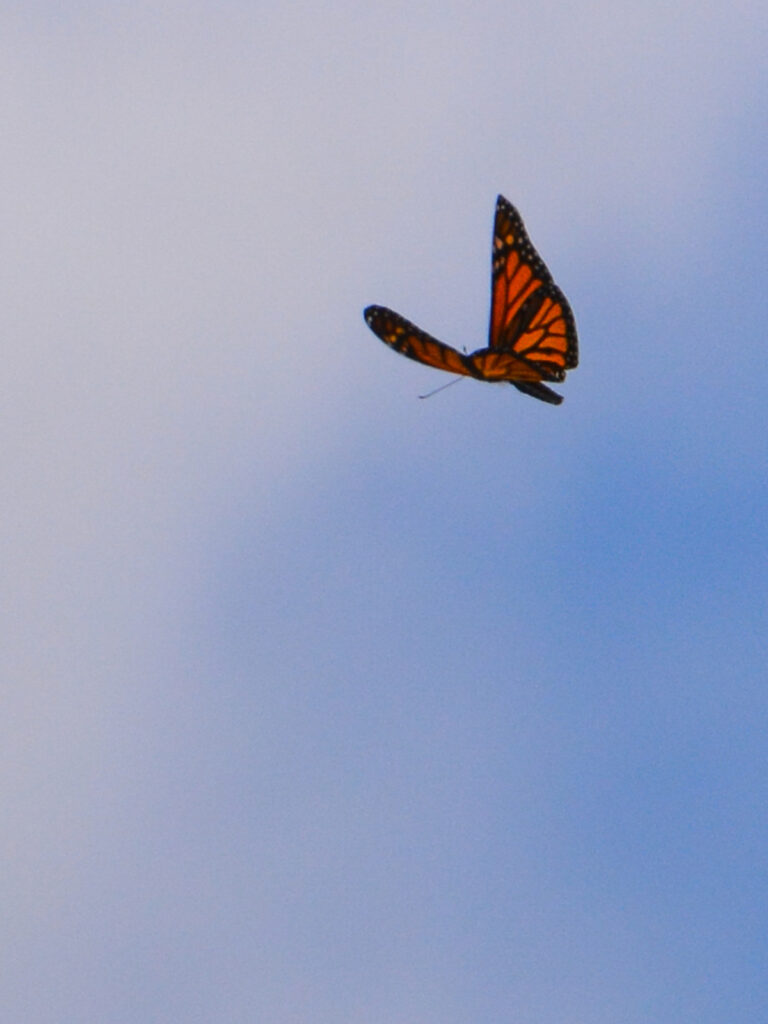
Photo by Janet Allen
HGCNY Note: Once you’ve made your native plant choices to support the insects in your native habitat, don’t forget to check out our CNY Native Plant Shopping Guide for local nurseries where you can purchase them: https://hgcny.wildones.org/projects/shopping/
The guide lists several Central New York native plant nurseries (such as Amanda’s Native Garden LLC, Butterfly Effect, Faverolles Gardens, Go Native! Perennials, Lazy Dirt Flower Farm, The Plantsmen Nursery, White Oak Nursery, and more) — buying from these local sources ensures plants are adapted to our region and supports the community!
About the author:
Joe Sarnicola is a writer and native plant gardener based in Auburn, New York, and he is a member of the Habitat Gardening of Central New York Chapter Wild Ones.