Author: Joe Sarnicola
After working in your garden, have you soiled your hands, or have you only gotten them dirty? You may ask in reply, “Aren’t they both the same question?” Nope, and here’s why.
Soil contains living organisms such as bacteria, fungi, and protozoa, all which support plant life. Dirt has none of these, and it is mostly composed of sand, clay and silt. Also, because some of the beneficial bacteria release sticky substances, the soil particles cling to each other, leaving room for air and moisture. This attribute is enhanced by the work of burrowing worms and insects. Dirt does not have this structure, so moisture, wind, and other factors make dirt prone to erosion or compaction, neither of which benefits the plants.
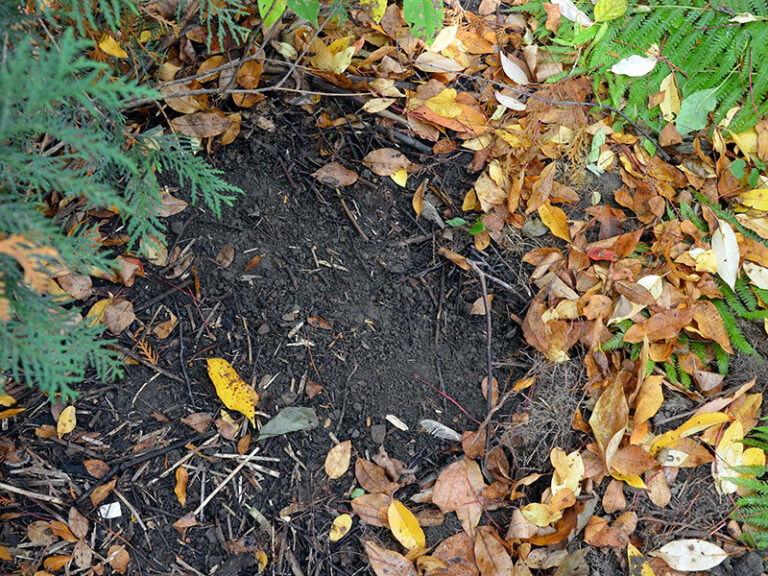
If we squeeze a handful of soil, we should end up with a meatball shape. If we squeeze a handful of dirt, we will end up with a loose pile of dirt. If the organic matter were removed from soil, we would be left with dirt.
The living organisms provide nutrition for the plants by breaking down the minerals in the soil which the plants can then take up through their roots. The plants are not able to break down these minerals, so the organic material is essential to their health. In return, the plants provide sugar that these organisms need for their survival. Healthy soil also contains ample oxygen, so many anaerobic organisms that can be harmful to plants cannot survive.
Soil is also able to retain water that the plants can drink. If the plants were in dirt alone most water would just drain away before the plants could access it. According to the Soil Science Society of America, soil filters and cleans water, enhances water retention, reduces erosion, and provides a habitat for the microorganisms that the plants need.
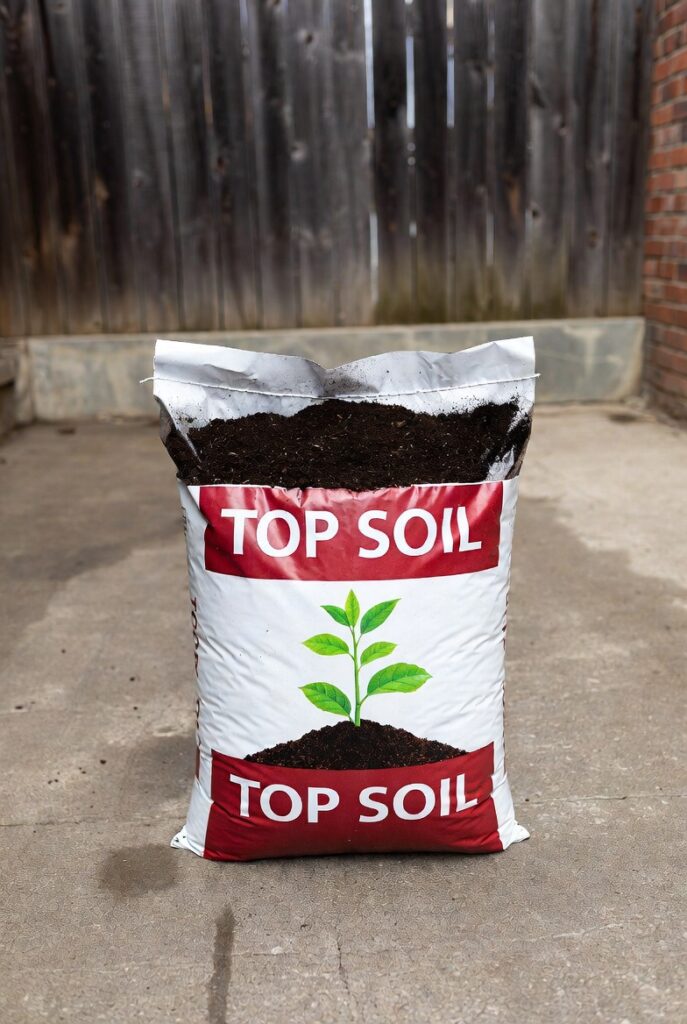
Suppose you need additional soil for a garden project, and you head to the hardware store where you are confronted with these two choices: topsoil and potting soil. Which should you choose? Topsoil is basically a mixture of clay, sand, and organic matter. It is useful for in-ground gardens and for filling raised beds. It can become compacted and heavy when wet, and it may contain weed seeds, fungi, or harmful bacteria.
Potting soil is a misleading term, because it doesn’t contain any soil. It is usually a mix of peat, perlite, and ground-up tree bard, and it is a sterile medium. I try to avoid anything that contains peat, an important non-renewable resource. If it is unavoidable, then I use only as much as is needed for the project.
More than a third of greenhouse gases released into the atmosphere have been the result of the expansion of agriculture and property development. Soil (and the roots of many plants and trees) stores carbon, and therefore prevents its release into the atmosphere unless it is disturbed.
When our garden are health above and below the ground, the ecosystems we are trying to create or expand contribute to the health of the planet and all living things, and we are being good stewards of the earth. Not a bad outcome for working with a little “dirt”, huh?
—> Next time we will talk about the soil/food web and share different ways to improve or work with the soil currently in our yards.
About the author:
Joe Sarnicola is a writer and native plant gardener based in Auburn, New York, and he is a member of the Habitat Gardening of Central New York Chapter Wild Ones.