Help HGCNY Celebrate Our 9th Year of Protecting Baltimore Woods!
Each spring, HGCNY volunteers team up to remove garlic mustard (Alliaria petiolata), an aggressive invasive species that outcompetes native spring wildflowers including trillium, trout lily, and bloodroot. Its early growth and rapid spread make it a serious threat to the spring flora that should carpet the forest floor.
Spring is the ideal time to remove garlic mustard. Before flowering, the plants come up easily and can be left on the ground. Once flowering begins, the plants need to be bagged to keep the seeds from spreading. Pulling in May makes a real difference for the native plant communities in this 270+ acre preserve.
Join Us at Baltimore Woods for 2026’s Garlic Mustard Pull
🗓️ Saturday, May 2, 2026
🕒 9:45 a.m. to 2:00 p.m.
📍 Baltimore Woods Nature Center, 4007 Bishop Hill Rd, Marcellus, NY 13108
Schedule
- 9:45 a.m.: meet in the lower (northernmost) parking lot (see Trail Map)
- 10:00 a.m. to 12:00 p.m.: garlic mustard pull
- 12:15 p.m.: meet at the upper (Interpretive Center) parking lot (see Trail Map)
- 12:15 p.m. to 2:00 p.m.: bring your own picnic & optional trail wander
Event Details
This is a hands‑on volunteer opportunity on Saturday, May 2nd. No prior experience needed. We’ll meet in the lower (northernmost) parking lot (see Trail Map) at 9:45 a.m., then walk to the work site for a 10:00 a.m. start. We’ll pull garlic mustard by hand (or cut taller stems if needed) and bag any flowering plants to prevent seed spread.
After the pull, join us at 12 p.m. at the upper (Interpretive Center) parking lot (see Trail Map) for a bring‑your‑own picnic lunch and an optional casual walk on the trails to enjoy emerging spring wildflowers.
What to Bring & Wear
- Follow tick-prevention guidelines (https://alumni.cornell.edu/cornellians/tick-prevention-tips/)
- Comfortable garden gloves
- Garden scissors or pruners (optional but helpful for taller plants)
- Knee pads (optional if you prefer kneeling; most people just bend at the waist)
- Bagged lunch, snacks, and water
Note: Baltimore Woods is carry‑in/carry‑out — please pack out everything you bring.
Registration
This event is free. Registration is encouraged so we can notify you of any updates. Just click the Register button.
What is Garlic Mustard (Alliaria petiolata)?
It’s a non-native invasive plant that was brought from Europe in the 1800s for its culinary, medicinal, and soil-stabilizing properties.
Since then, it has spread throughout the US, threatening native ecosystems.
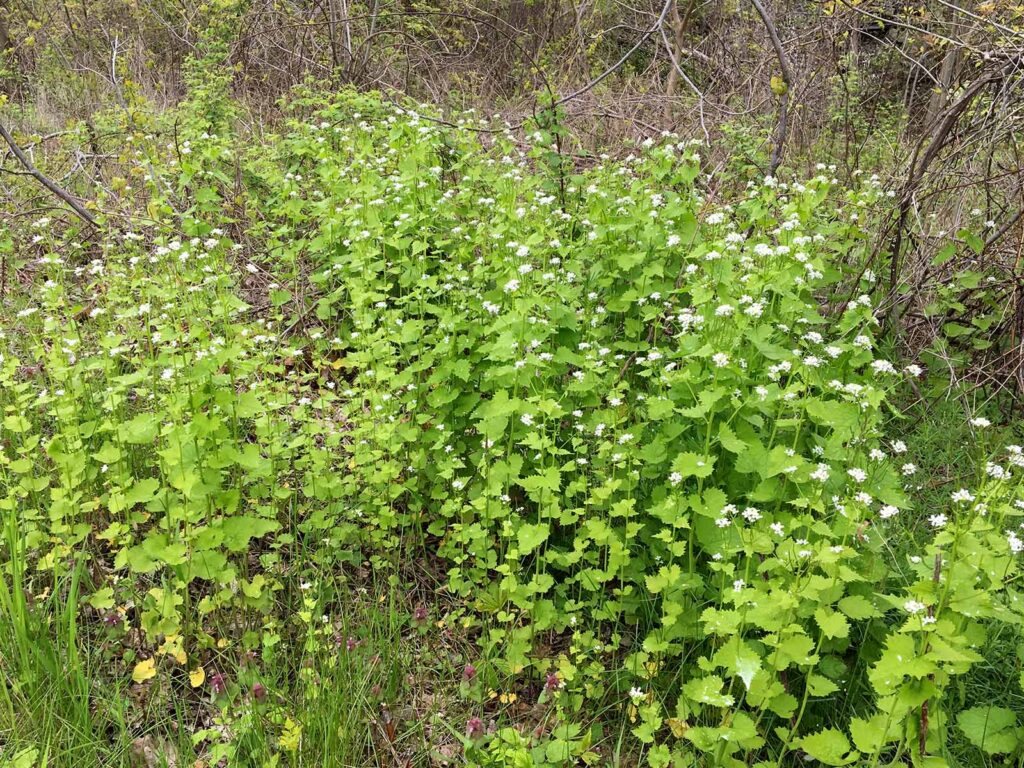
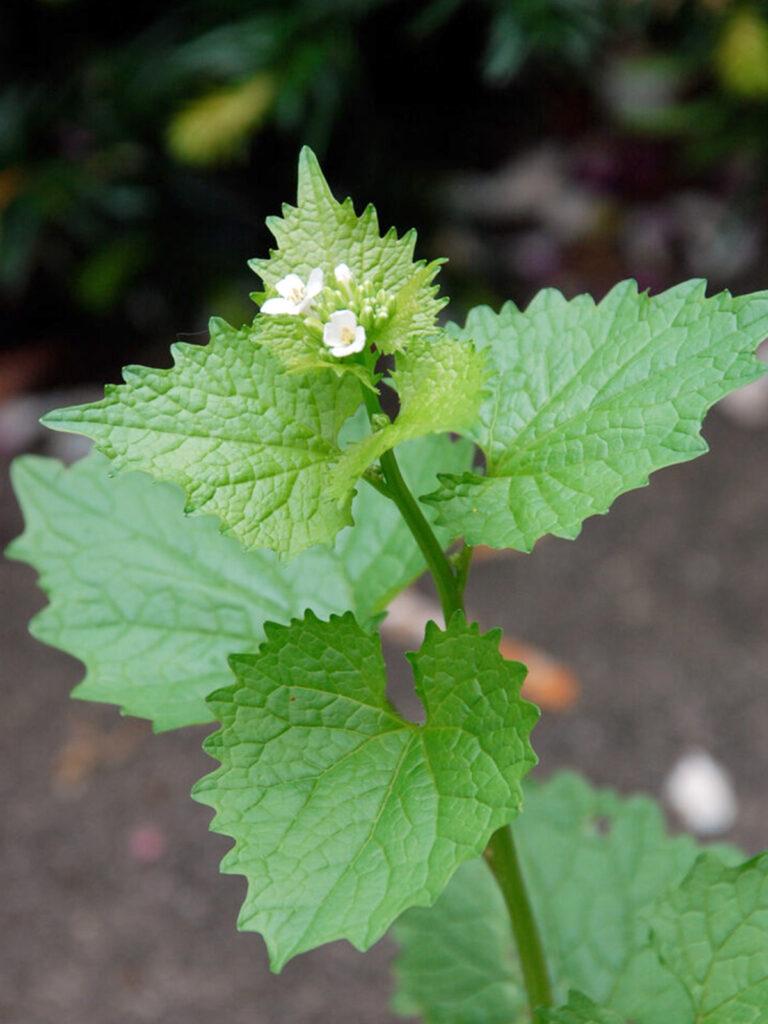
It’s a biennial, which means it sends up a rosette the first year, then flowers the next year. Targeting second‑year plants before they seed is an effective way to reduce its spread over time.
It’s also allelopathic, meaning that it releases chemicals that inhibit the growth of other plants, which is what helps it disrupt native ecosystems.
Additional Resources
- New York Invasive Species (NYIS): Garlic Mustard
- The Nature Conservancy: Garlic Mustard: Invasive, Destructive, Edible