Author: Joe Sarnicola
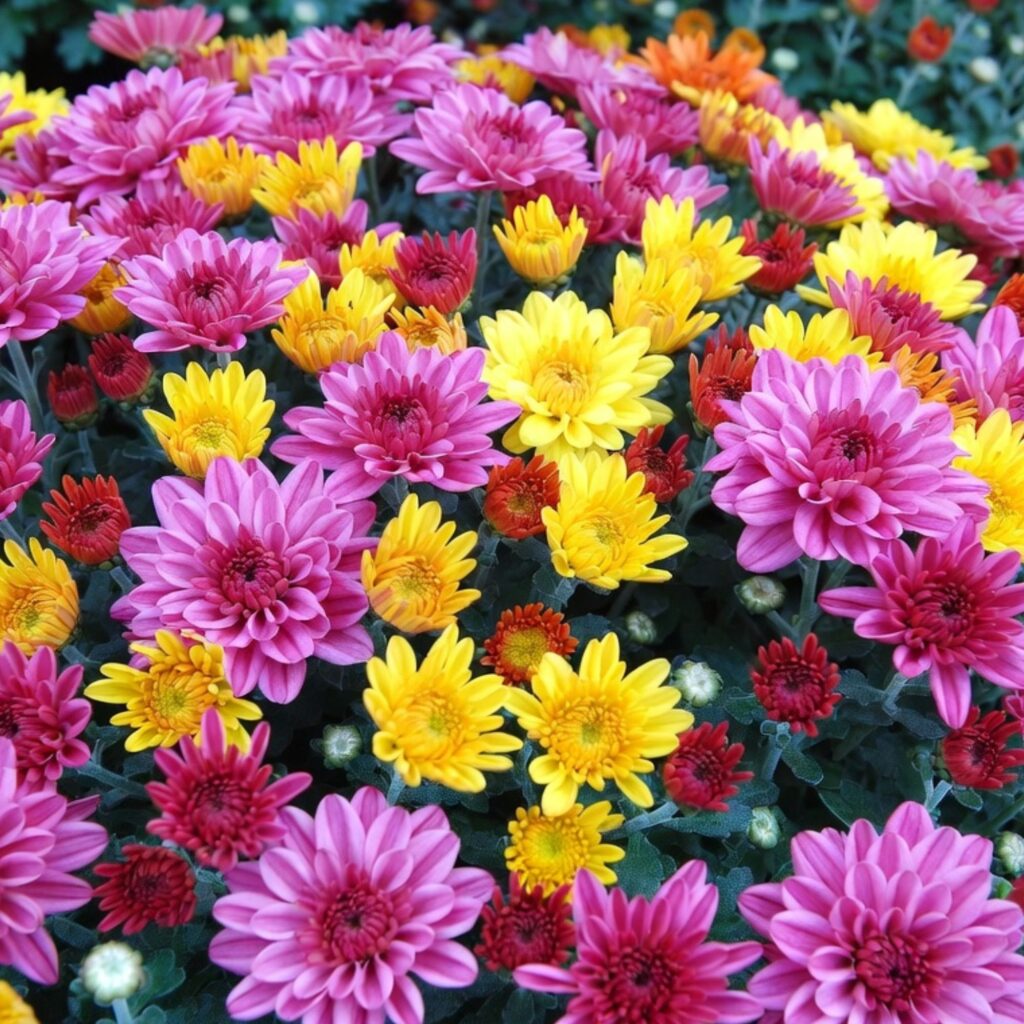
Walk into the garden section of any big box store and you will probably see a colorful assortment of flowers. Assuming this is an outdoor section, look a little closer. Are there any bees or butterflies visiting those flowers? If there aren’t there are several possible reasons:
1. These flowers are often pretreated with pesticides, including neonicotinoids, which kill or repel pollinators.
2. The plants could be hybrids, cultivars, or nativars, which may have the characteristics that attract pollinators reduced or bred out of them.
3. The plants are non-native, making them less likely to attract pollinators.
Whatever the reason, if you put these flowers in your garden, they may be very attractive visually, but they will contribute little to the ecosystem you are trying to build or develop. Irish landscaper, Mary Reynolds, believes that these types of flowers may attract the attention of the pollinators, but they do not offer the food and shelter they need. These plants may actually distract them so they might not notice a beneficial native plant nearby.
This is probably a long-winded way of saying healthy native plants are essential for the survival of local pollinators, the plants that rely on them for reproduction, and the birds that depend on the pollinators and their larva as a food source.
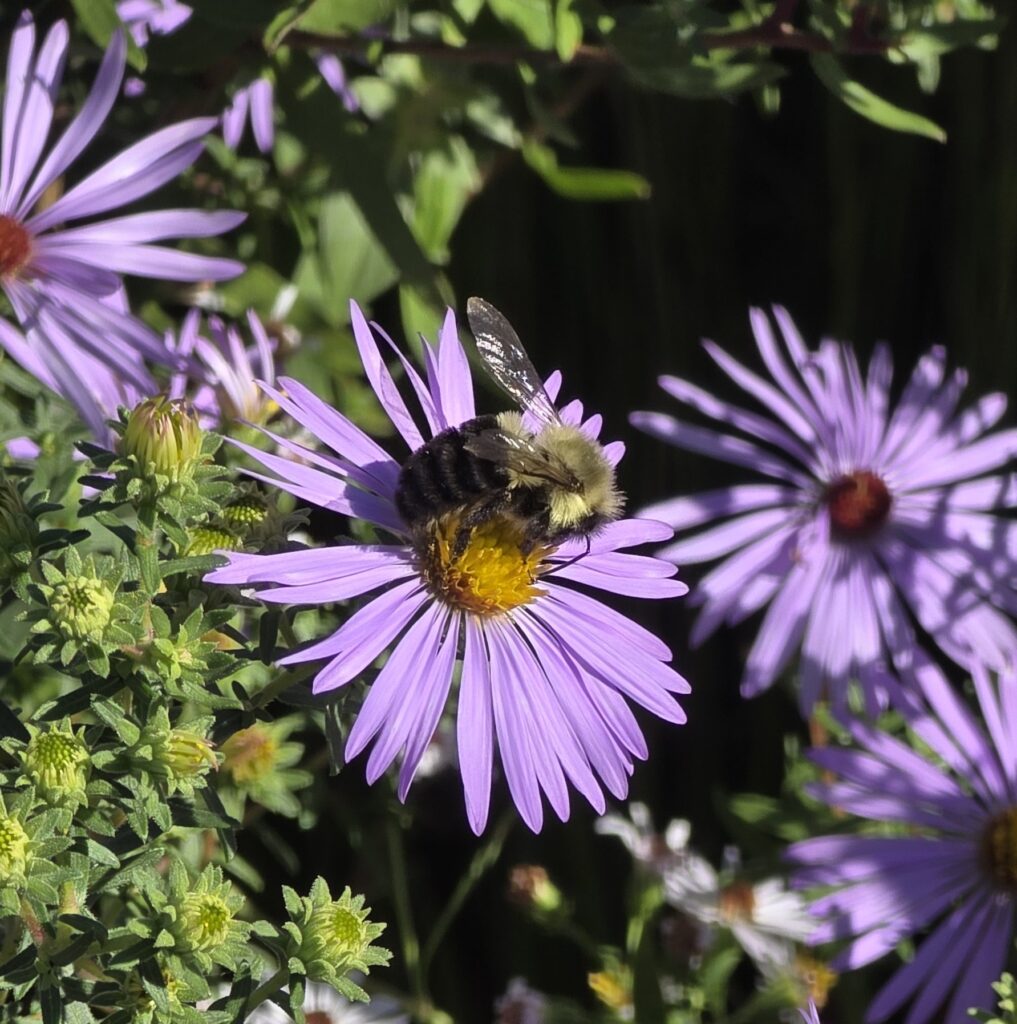
There are additional benefits of having a native plant garden such as reducing the amount of pesticides that end up in our environment, because most native plant gardeners use practically no pesticides. The birds and other wildlife serve as a natural pest control service by eating the insects without the use of pesticides. Native plant gardens also require much less water than regular gardens, once they are established.
In her book, “We Are The ARK” (ARK meaning Act of Restorative Kindness), Mary Reynolds writes about the three laws of ecology proposed by environmentalist Paul Watson.
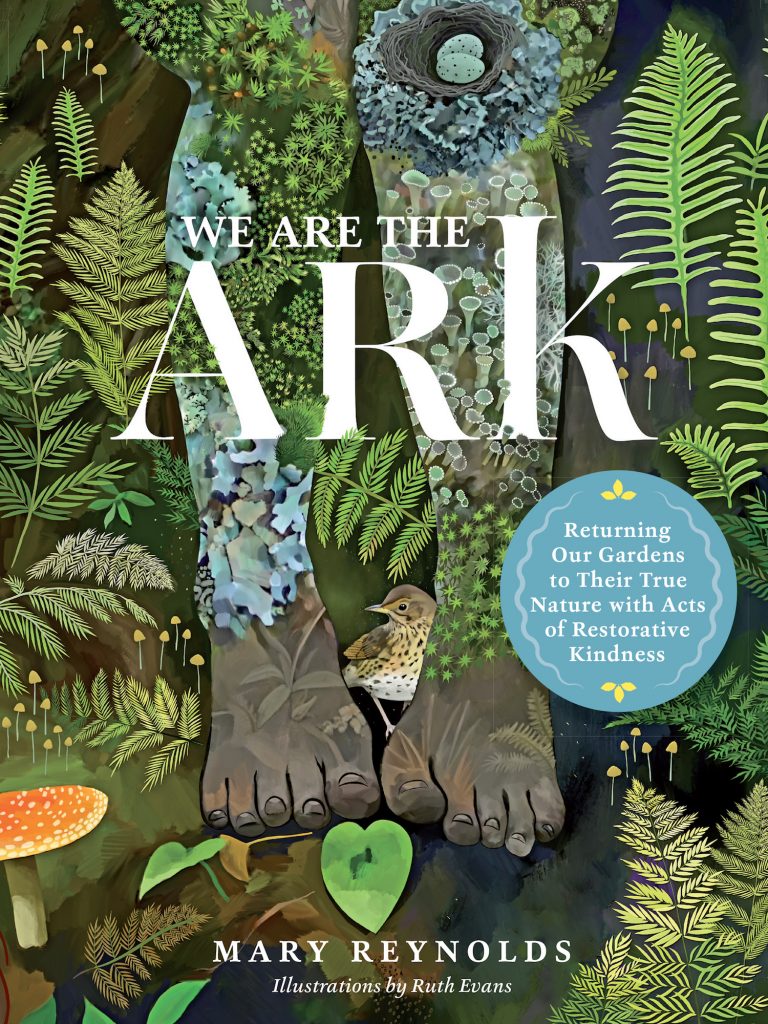
The law of diversity: “the strength of an ecosystem depends upon the diversity of the species within it.” The law of interdependence: “species within an ecosystem are dependent on other native species in the local system for their survival.” The law of finite resources: “the earth has only so many resources available.”
If we keep in mind these concepts and an awareness of where the plants we buy come from, we should end up with healthy native plant gardens, regardless of their size. The website of your local Wild Ones chapter may have a list of plants native to your area and even where to buy them. If not, other websites, such as gardenforwildlife.com, nativeplantfinder.nwf.org, and homegrownnationalpark.org will have helpful information. Chances are the garden centers listed there will have a knowledgeable staff and an abundance of native plants, and you may even start a friendly conversation will a native plant gardener who is shopping there.
Gardening, whether native or other, has been proven to provide mental health benefits to the gardener by reducing stress, lowering blood pressure, and providing a sense of satisfaction as we see our gardens blossom and grow. Let’s help the environment, the pollinators, and ourselves by spending time in our native plant gardens.
Let’s help the environment, the pollinators, and ourselves by spending time in our native plant gardens.
🌱 HGCNY Habitat Hints: Extra insights to help your habitat thrive🌱
Looking for native plants in Central New York? Check out our HGCNY Native Plant Shopping Guide (updated annually each spring). It includes a helpful map of local nurseries and vendors that carry a good selection of straight-species natives to help you shop locally and support pollinator-friendly gardening.
hgcny.wildones.org/projects/shopping/
About the author:
Joe Sarnicola is a writer and native plant gardener based in Auburn, New York, and he is a member of the Habitat Gardening of Central New York Chapter Wild Ones.