Author: Joe Sarnicola
I am fairly new to the world of native plant gardening. In the spring of 2025, I used some leftover lumber to frame a six foot by 8 foot space in my back yard, which became my butterfly garden. Following the advice of a few knowledgeable friends, I visited a local nursery (The Butterfly Effect in Geneva, New York) that specialized in native plants. I left there with common milkweed (Asclepias syriaca), devil’s beggartick (Bidens frondosa), sneeze weed (Helenium autumnale), Baby Joe Pye Weed (Eutrochium dubium), Hoary mountain mint (Pycnanthemum incanum), and false sunflower (Heliopsis helianthoides).
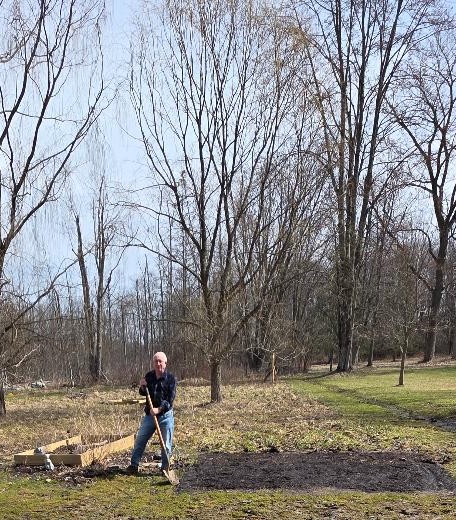
Was there any real plan behind my selection? Not really, other than I knew the milkweed would be the anchor of the garden because it is a host plant for monarch butterflies. I spent the next few days putting the plants in my framed garden space and I added another feature recommended by someone at Cornell Cooperative Extension. He told me to “plant a log.”
Seeing the blank look on my face after he said that, he explained that a small log planted in a garden can become a mini ecosystem. It attracts insects which help to break down the wood so it releases nutrients back into the soil. Those insects and their larvae in turn become food for birds and other creatures. And a log provides shelter and may serve as a habitat for small mammals.
My small garden remained healthy and weed free, with only a minimum of effort, right through autumn. However, I did not see any monarchs or other butterflies. That was my first lesson that gardening requires patience. More about that later.
As fall approached, I decided to expand my garden area, although I was not going to use any more framing lumber. I cleared a layer of grass and weeds into two 8 foot by 8 foot sections, one on each side of my property. I purchased a bag of seeds from an online supplier that guaranteed 80% of the seeds were native to my area. I planted the seeds, covered them with tarps for the winter, and hoped for the best.
Jumping ahead to spring of 2026, my butterfly garden looked like it was starting to wake up at its own pace. As for the seeded areas? Well once I removed the tarps I had a couple nice patches of dirt. As the season moved on there did not appear to be any sprouts from those seeds but the beginning of a crop of weeds was visible.
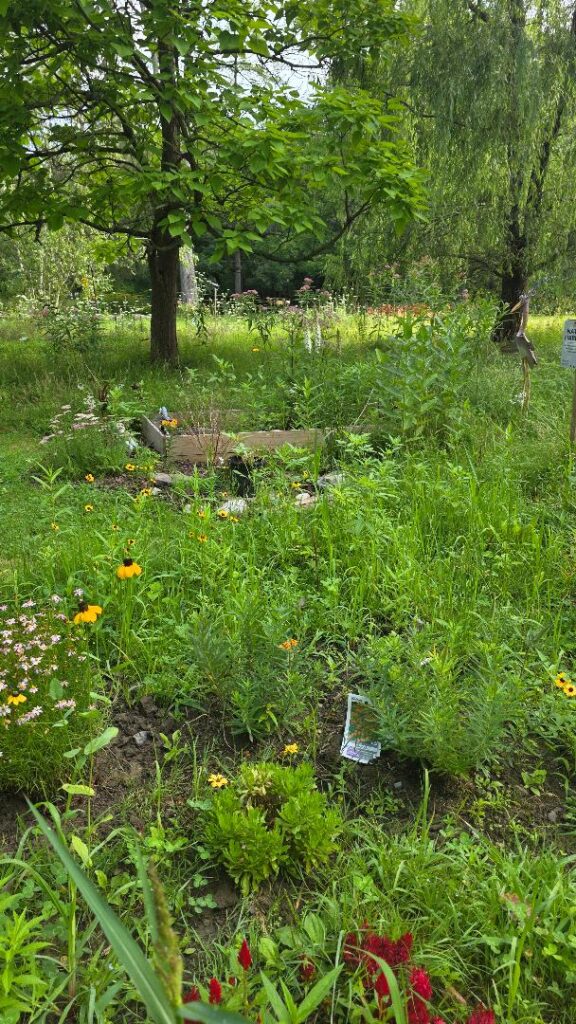
“No more seed planting for me,” I declared. I bought a few more native plants, and I added them into the dirt patches with plans to phase in more. But now, in August, in addition to those new plants, I have an abundance of flowers and ornamental grasses that can only be from the mixture of seeds that I had bought. Apparently, the mixture had more summer and fall blooming flowers in it.
If I had not either accidentally or carelessly thrown away the package, I could have read the label again to learn the contents (and to remember the supplier’s name). The patience part for me kicks in now. If I had filled the two areas that I had cleared with established plants, I would not have the beautiful assortment of native flowers and grasses that I do.
And even my neighbors have commented that they have not seen so many butterflies, moths, and other insects (plus a frog or two) in many years. The only thing different was my garden space.
So I am very happy with the results, and I have learned some important lessons, the most important one being to give nature the time it needs. Gardens require patience, whether we’re patient or not, but the results are worth it.
Now for the shady side of the house, which is mostly covered by attractive, but annoying and invasive, bishop’s weed (Aegopodium podagraria).
🌱 HGCNY Habitat Hints: Extra insights to help your habitat thrive🌱
A thriving pollinator garden is about more than just the plants. Features like logs, varied soils, and rocky crevices provide critical nesting and overwintering habitat. This Wild Ones article explains how to go beyond plant lists and create a more complete ecosystem: Pollinator gardens – going beyond the plant lists to create a robust habitat
And when you’re ready for the plants themselves, HGCNY’s free Native Plant Shopping Guide lists local nurseries (including The Butterfly Effect) and what they carry.
About the author:
Joe Sarnicola is a writer and native plant gardener based in Auburn, New York, and he is a member of the Habitat Gardening of Central New York Chapter Wild Ones.